Boudoir Poses PDF: A Comprehensive Guide
Boudoir posing guides in PDF format offer photographers, models, and couples invaluable resources for stunning shoots, covering techniques from reclining to mirror poses․
Boudoir photography centers around intimate and artistic portraits, and mastering posing is crucial for achieving captivating results․ Numerous boudoir posing guides in PDF format are readily available, designed to empower both photographers and models․ These guides often detail fundamental principles, breaking down poses into manageable steps, and offering variations to suit different body types and preferences․
The core aim is to create images that are both sensual and empowering, celebrating the individual’s beauty and confidence․ PDF resources frequently showcase sample poses – lying down, standing, sitting, and utilizing mirrors – providing visual inspiration and practical instruction․ They often include tips on hand placement, facial expressions, and body positioning to flatter angles, ensuring a polished and professional final product․ Exploring these guides unlocks a wealth of creative possibilities․
Understanding the Boudoir Aesthetic
The boudoir aesthetic leans towards a delicate balance of sensuality, elegance, and empowerment․ It’s about capturing a feeling, a mood, rather than simply documenting a pose․ Boudoir posing guides in PDF format often emphasize this nuanced approach, moving beyond technical instructions to explore the emotional core of the imagery․
These guides highlight the importance of soft lighting, intimate settings, and carefully curated props to enhance the overall atmosphere․ Understanding the aesthetic involves recognizing how posing choices contribute to the narrative – whether it’s vulnerability, confidence, or playful allure․ Many PDF resources showcase examples of successful boudoir shoots, illustrating how different poses and styling elements work together to create a cohesive and captivating visual story․ It’s about artistry and self-expression․
Essential Equipment for Boudoir Photography
While boudoir posing guides in PDF format focus on technique, successful execution relies on the right equipment․ A versatile camera and lens are fundamental – typically a full-frame DSLR or mirrorless camera with a 35mm, 50mm, or 85mm prime lens are preferred for their flattering perspective and ability to create beautiful bokeh․
Soft, diffused lighting is crucial; natural light is ideal, supplemented by reflectors or softboxes․ A comfortable and aesthetically pleasing shooting space is also key, often incorporating furniture like chairs or beds․ Many guides suggest props like silk robes or lingerie to enhance the mood․ Don’t underestimate the value of a good backdrop! Ultimately, the best equipment supports the vision outlined in your chosen boudoir posing PDF․
Posing Fundamentals
Boudoir posing PDFs emphasize body positioning, hand placement, and facial expressions to create flattering angles and evoke desired moods during photography sessions․
Body Positioning for Flattering Angles
Boudoir posing guides, often available as PDFs, consistently highlight the importance of strategic body positioning․ Achieving flattering angles involves understanding how the body interacts with light and the camera lens․ A slight curve to the spine, rather than a rigid posture, often creates a more visually appealing silhouette․
Many guides recommend angling the body away from the camera to minimize perceived width and emphasize curves․ PDF resources detail how to utilize “S-curves” – gentle bends in the spine – to elongate the body and create a graceful line․
Furthermore, these guides often illustrate how shifting weight and subtly rotating the hips can dramatically alter the shape and definition of the body in photographs, resulting in more confident and alluring poses․ Mastering these fundamentals is key to successful boudoir photography․
Hand Placement and its Impact
Boudoir posing PDFs frequently dedicate sections to the often-overlooked element of hand placement․ Hands can either enhance a pose or distract from it, making mindful positioning crucial․ Avoid stiff, awkward hand positions; instead, aim for relaxed and natural gestures․
Guides suggest gently touching the face, neck, or hair, or softly resting hands on the body to create a sense of intimacy and vulnerability․ Avoid letting hands lie flat against the body, as this can appear unnatural․
Many resources demonstrate how slightly bent fingers and relaxed wrists contribute to a more fluid and elegant look․ PDFs often showcase examples of hands subtly drawing attention to key features or adding a touch of playful sensuality to the overall composition․
Facial Expressions and Mood
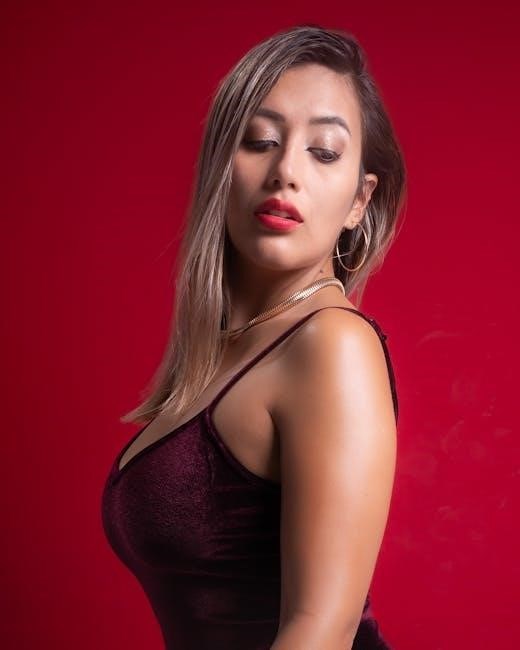
Boudoir posing PDFs emphasize that facial expressions are paramount in conveying emotion and creating a captivating image․ A genuine connection with the camera is key, moving beyond simply “smiling” to evoke feelings of confidence, vulnerability, or playful seduction․
Guides often advise against forced expressions, encouraging models to relax and think of empowering thoughts or memories․ Subtle nuances – a slight parting of the lips, a soft gaze, or a gentle tilt of the head – can dramatically alter the mood․
Resources detail how to avoid a “deer in headlights” look, suggesting techniques like softening the eyes and relaxing the jaw․ PDFs frequently include exercises to help models connect with their sensuality and express it authentically through their facial expressions․

Specific Boudoir Poses
Boudoir posing PDFs detail a wide array of poses—lying down, standing, and seated—providing visual examples and tips for flattering angles and sensuality․
Lying Down Poses
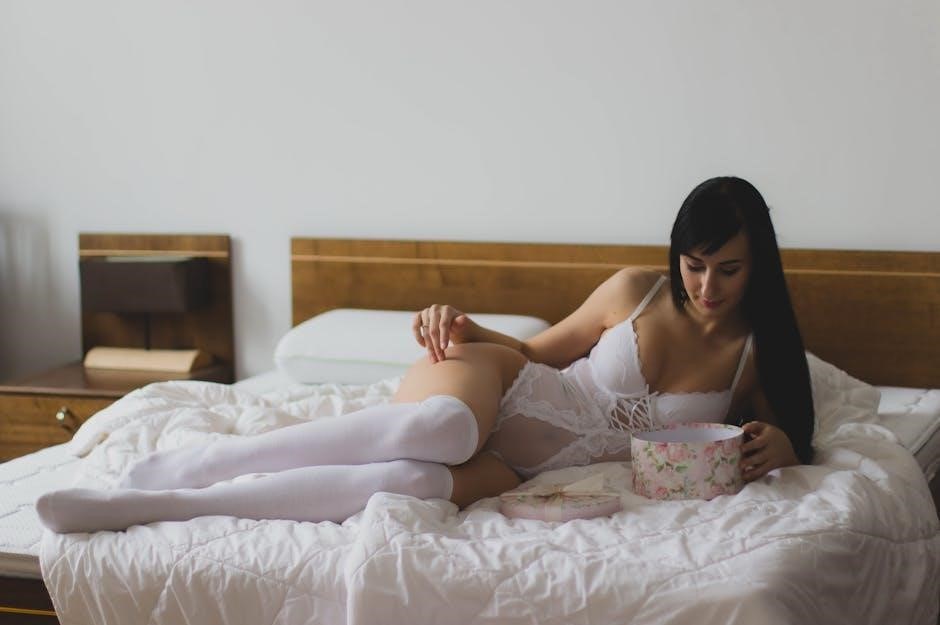
Boudoir posing guides dedicate significant attention to lying down poses, recognizing their ability to convey intimacy and vulnerability․ PDF resources showcase variations for both back and stomach lying positions, offering detailed instructions for hand placement and leg positioning to enhance curves and create visually appealing compositions․
Back lying poses often involve gentle arches and strategic use of the arms to frame the face or body․ Posing PDFs emphasize avoiding a completely flat position, instead encouraging subtle curves․ Stomach lying poses, conversely, focus on creating sensuality through controlled angles and the use of props․ These guides often include tips for maintaining a relaxed expression and directing the gaze to draw the viewer in․ Mastering these foundational poses, as detailed in boudoir photography PDFs, is crucial for achieving captivating results․
Back Lying Poses: Variations and Tips
Boudoir posing PDFs detail numerous back lying pose variations, from classic reclined positions to more dynamic arrangements․ A common technique involves gently arching the back and lifting the chin, elongating the neck and emphasizing the collarbone․ Guides frequently suggest using hands to frame the face or gently rest along the body, avoiding stiffness․
PDF resources highlight the importance of leg positioning – bent knees can create a softer look, while extended legs emphasize length․ Tips often include slightly tilting the hips and experimenting with different arm angles․ Avoiding a completely flat pose is key; subtle curves are more flattering․ Posing guides also address gaze direction, suggesting looking slightly off-camera for a more natural and engaging expression․ These details, found within comprehensive boudoir PDFs, elevate the artistry of these poses․
Stomach Lying Poses: Creating Sensuality
Boudoir posing PDFs showcase stomach lying poses as powerful tools for creating a sense of intimacy and sensuality․ These guides emphasize the importance of gentle curves and avoiding rigid positioning․ Lifting the upper body with support from the forearms is a frequently recommended variation, creating an inviting and relaxed silhouette․
PDF resources often detail hand placement – under the chin, framing the face, or gently resting near the body – to enhance the pose’s allure․ Subtle hip lifts and slight twists can further accentuate curves․ Posing guides stress the importance of a soft gaze, avoiding direct eye contact for a more vulnerable feel․ These boudoir PDFs also advise on using props like silk fabrics to add texture and visual interest, amplifying the overall sensual aesthetic․
Standing Poses
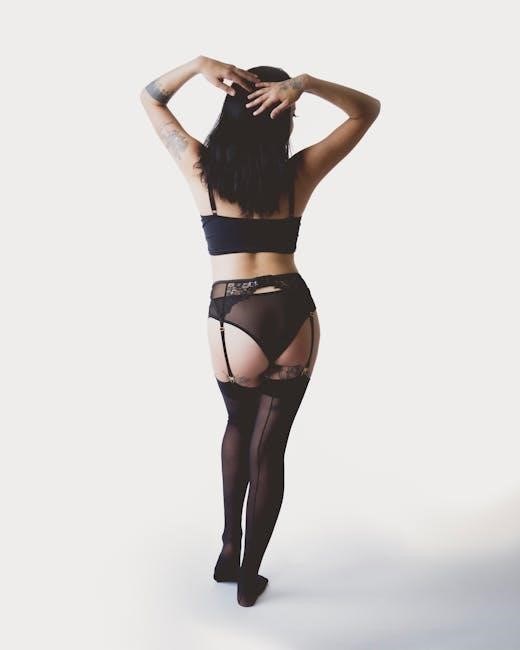
Boudoir posing PDFs dedicate significant attention to standing poses, recognizing their ability to emphasize curves and project confidence․ These guides often feature leaning poses against walls or furniture as foundational techniques, demonstrating how to create relaxed yet alluring silhouettes․ A slight bend in the knee and a gentle shift of weight are frequently highlighted for a more natural look․
Classic standing poses, detailed in these PDF resources, involve subtle adjustments to posture and hand placement․ Posing guides suggest experimenting with crossed legs or a hand on the hip to accentuate the waistline․ Maintaining a soft expression and avoiding stiffness are crucial․ Many boudoir PDFs also include variations with draped fabrics or strategic lighting to enhance the mood and create visually striking images․
Leaning Poses: Against Walls or Furniture
Boudoir posing PDFs consistently emphasize leaning poses as a cornerstone technique, particularly against walls or furniture, for their ability to convey both vulnerability and strength․ These guides detail how a slight lean can create a relaxed S-curve, flattering the body’s natural lines․ They often illustrate variations – a casual shoulder lean, a more intimate head rest, or a playful hip nudge․
PDF resources stress the importance of body angle; facing slightly away from the camera adds depth and mystery․ Hand placement is also key, with suggestions ranging from gently touching the wall to casually holding a garment․ Many boudoir posing guides demonstrate how to utilize furniture – a chair back, a windowsill – to support the pose and add visual interest, ensuring a comfortable and alluring aesthetic․
Classic Standing Poses: Emphasizing Curves
Boudoir posing PDFs frequently showcase classic standing poses designed to accentuate the body’s natural curves․ These guides often feature a slight hip pop, encouraging a subtle ‘S’ shape that’s universally flattering․ Many resources detail how to shift weight to one leg, creating a more dynamic and visually appealing silhouette․ Proper posture is paramount, with instructions on maintaining a relaxed yet confident stance․
PDFs highlight the importance of arm positioning – gently placed on the hip, or softly bent at the elbow – to draw attention to the waistline․ Variations include a slight backbend or a subtle shoulder tilt; These boudoir posing guides emphasize that confidence is key, and encourage models to embrace their bodies, resulting in images that are both elegant and empowering․
Sitting Poses
Boudoir posing PDFs dedicate significant attention to sitting poses, recognizing their ability to convey both elegance and intimacy․ These guides often categorize sitting poses into chair and floor variations, each offering unique aesthetic opportunities․ Chair poses frequently involve leaning forward slightly, with one or both legs crossed, creating a relaxed yet sophisticated look․ Emphasis is placed on back posture – maintaining a gentle curve rather than slouching․
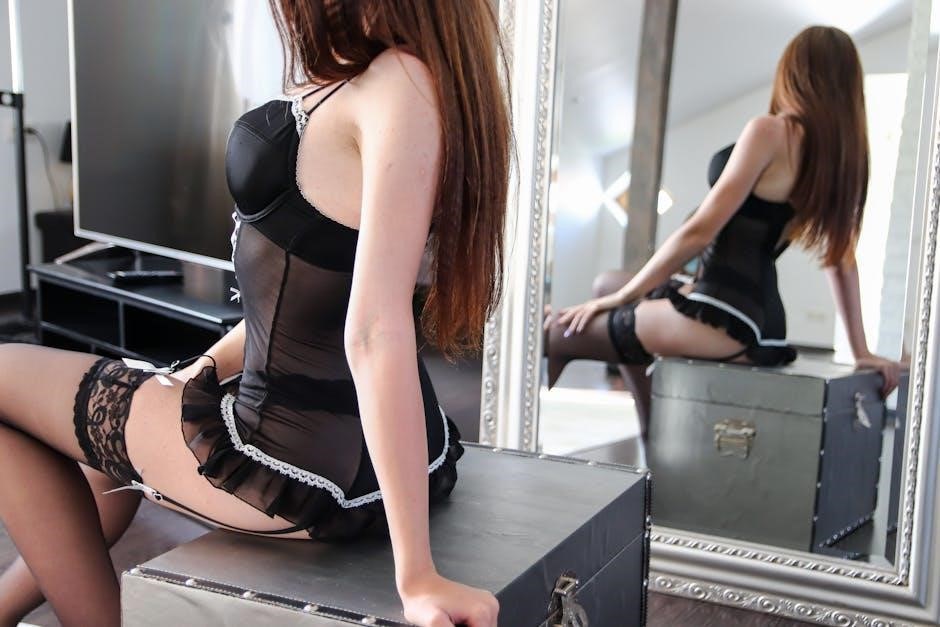
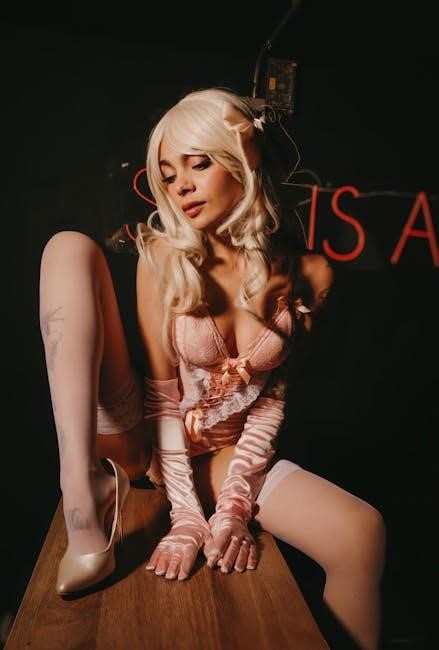
Floor poses, as detailed in many boudoir photography guides, tend to be more casual and intimate․ Variations include legs bent and drawn towards the chest, or extended gracefully․ PDFs often illustrate hand placement – resting on the knees, or gently framing the face – to enhance the overall composition and mood․ These resources consistently stress the importance of comfort and natural expression․
Chair Poses: Elegant and Relaxed
Boudoir posing PDFs highlight chair poses as foundational for achieving an elegant and relaxed aesthetic․ These guides frequently demonstrate variations like leaning forward with one leg crossed over the other, creating a subtle S-curve in the body․ Proper posture is key; a slight arch in the back, avoiding slouching, enhances the silhouette․ Hand placement is crucial – resting them gently on the knees, or delicately holding a prop like a silk robe, adds sophistication․
Many PDFs emphasize the importance of angling the body slightly away from the camera, which is more flattering than a direct frontal pose․ They also suggest experimenting with different chair styles – from ornate vintage chairs to simple modern designs – to complement the overall mood․ These guides consistently promote a comfortable and natural expression․
Floor Poses: Intimate and Casual
Boudoir posing PDFs consistently feature floor poses as essential for conveying intimacy and a relaxed vibe․ These guides often showcase variations like lying on the side with knees bent, creating a comfortable and inviting curve․ A key tip is to avoid stiffness; gentle movements and natural angles are prioritized․ Hand placement suggestions include resting a hand under the chin or lightly touching the hair, adding a touch of vulnerability;
Many PDFs emphasize using props like silk fabrics or flowers to enhance the scene and add visual interest․ They also recommend experimenting with different angles – shooting from above or at eye level – to alter the perspective․ These guides frequently stress the importance of a soft, natural expression to complement the casual feel․

Mirror Poses
Boudoir posing PDFs detail mirror poses, including selfies, for depth and reflection, offering tips to elevate a home photoshoot’s aesthetic and confidence․
7 Mirror Selfie Poses for Boudoir
Boudoir posing guides, often available as PDFs, frequently dedicate sections to mastering the art of the mirror selfie․ These aren’t your typical phone snaps; they’re carefully constructed poses designed to exude confidence and sensuality․ A common technique involves subtly leaning towards the mirror, creating a relaxed yet alluring silhouette․ Another pose utilizes the mirror to frame the face, drawing attention to expressions and features․
PDF guides often illustrate how to use hand placement near the face or body to enhance curves and create visual interest․ Experimenting with angles is crucial – slightly above, below, or directly facing the mirror can dramatically alter the mood․ Some guides suggest incorporating props like lingerie or silk robes for added texture and visual appeal․ Remember, the goal is to feel empowered and comfortable, allowing your personality to shine through the reflection․ These PDFs provide visual examples and detailed instructions to help you achieve professional-looking results at home․
Utilizing Mirrors for Depth and Reflection
Boudoir photography PDFs emphasize that mirrors aren’t just for checking appearances; they’re powerful tools for creating depth and visual intrigue․ Strategically placed mirrors can double the subject, adding a sense of mystery and artistic flair․ Guides often demonstrate how to use reflections to partially obscure or reveal the body, playing with light and shadow for a more sensual effect․
These resources detail techniques for positioning the subject relative to the mirror, maximizing the impact of the reflection․ Consider angles – a full-length mirror can elongate the body, while smaller mirrors can focus attention on specific features․ PDF guides also highlight the importance of clean mirror surfaces and minimizing distractions in the reflection․ Mastering mirror usage elevates boudoir images, transforming them from simple portraits into captivating works of art, enhancing the overall aesthetic․

Advanced Posing Techniques
Boudoir posing PDFs detail adapting poses for diverse body types, incorporating props for storytelling, and creating intimate connections in couples’ sessions․
Posing for Different Body Types
Boudoir posing PDFs emphasize inclusivity, offering tailored guidance for various physiques․ They demonstrate how to accentuate individual features and create flattering silhouettes for every client․ For example, curvier figures benefit from poses that highlight the waist and create an hourglass shape, utilizing gentle curves and strategic angles․
Guides often suggest avoiding poses that compress the midsection or emphasize areas of insecurity․ Petite individuals can utilize height-enhancing techniques, like elevated surfaces or strategic leg positioning; Taller clients might explore poses that elongate the body and create graceful lines․
These resources stress the importance of communication and understanding a client’s comfort level, adapting poses to celebrate their unique beauty and build confidence․ Ultimately, a good boudoir posing PDF empowers photographers to create stunning images that flatter and celebrate all body types․
Incorporating Props into Poses
Boudoir posing PDFs frequently detail how props can elevate a photoshoot, adding narrative and visual interest․ Common props include luxurious fabrics, vintage furniture, delicate lingerie, and even simple items like flowers or jewelry․ These elements aren’t merely accessories; they become integral to the storytelling․
Guides illustrate how to use props to subtly direct the gaze, create leading lines, or conceal areas a client might be self-conscious about․ A flowing silk robe, for instance, can add a sense of mystery and elegance, while a chair provides a natural resting point and flattering angle․
Effective prop usage, as highlighted in these boudoir posing PDFs, requires careful consideration of color, texture, and placement, ensuring they complement the model and enhance the overall aesthetic, rather than distracting from it․
Posing for Couples Boudoir
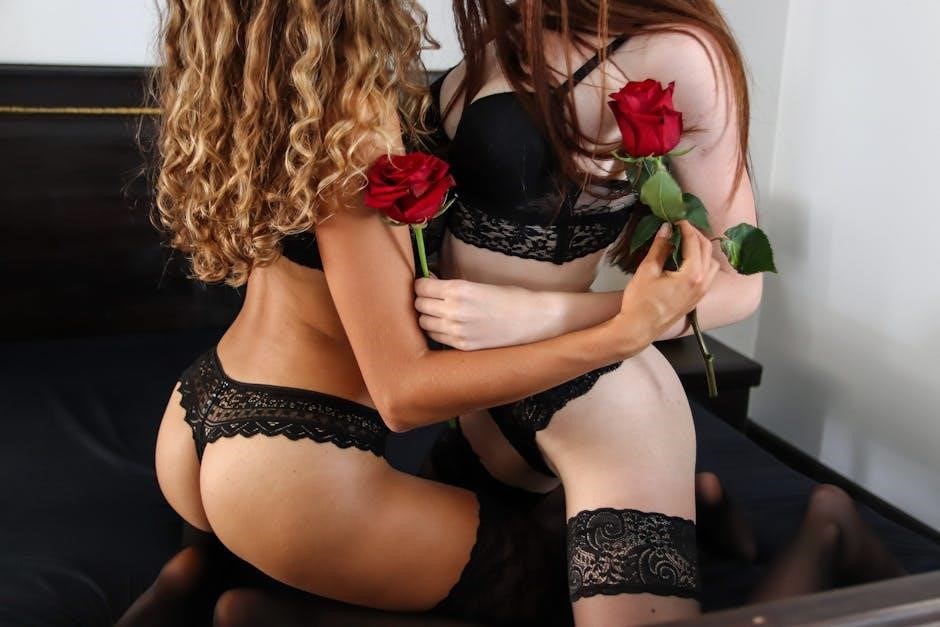
Boudoir posing PDFs dedicated to couples photography emphasize intimacy and connection․ These guides showcase poses that highlight the relationship dynamic, moving beyond individual shots to capture shared vulnerability and affection․ Common themes include embracing, whispering, and gentle touch․
PDF resources often suggest poses where one partner supports the other, creating a sense of trust and security․ Variations include lying intertwined, leaning against each other, or sharing a kiss․ Attention is given to mirroring body language to visually represent unity․
These boudoir posing PDFs also advise photographers on directing couples to relax and interact naturally, fostering genuine emotion for authentic and captivating images, avoiding stiffness and contrived expressions․
Resources and Guides
Boudoir posing guides in PDF format are widely available online, alongside thriving photography communities offering support, inspiration, and shared posing techniques․
Boudoir Posing Guides PDF Availability
Numerous boudoir posing guides are accessible in PDF format, catering to diverse skill levels and preferences․ These resources frequently showcase sample poses for both individual and couples’ shoots, providing visual inspiration and practical direction․ Photographers can find comprehensive guides detailing poses for lying down, standing, and sitting positions, often with variations and tips for flattering angles․
Many guides also delve into specific techniques like utilizing mirrors for depth and reflection, or incorporating props to enhance the narrative․ Some PDFs focus on posing for different body types, ensuring inclusivity and confidence for all clients․ Availability ranges from free downloadable resources to professionally curated guides available for purchase, offering a wealth of knowledge to elevate your boudoir photography․
Online Boudoir Photography Communities
Engaging with online boudoir photography communities provides a dynamic platform for sharing posing ideas and accessing valuable resources, often including links to helpful PDF guides․ These communities foster collaboration, allowing photographers to exchange tips on flattering angles, hand placement, and facial expressions․ Members frequently share their own posing guides or recommend trusted sources, creating a collective knowledge base․
Forums and social media groups dedicated to boudoir photography offer opportunities to receive constructive criticism on poses and learn from experienced professionals․ Discussions often revolve around adapting poses for different body types and utilizing props effectively․ These online spaces are invaluable for staying current with trends and discovering new PDF resources to enhance your skillset․