
Discover how to navigate dining out while staying on track with Optavia This guide PDF offers practical tips, menu hacks, and portion control strategies to help you enjoy meals outside your home without compromising your plan. Use the PDF to track portions, choose wisely, and stay motivated. Stay focused Enjoy.
Understanding the Optavia Meal Plan
Optavia’s structured approach blends a low‑calorie Fuel drink with a balanced protein source, healthy fats, and a modest carbohydrate allowance. The Fuel drink delivers 90 calories, 1.5g protein, 0.5g fat, and 8g carbs, providing a quick, satiating base. The protein portion should be about 20–30 grams, ensuring muscle maintenance while keeping overall calorie intake low. Healthy fats—typically 5–10 grams—come from nuts, seeds, avocado, or olive oil, supporting hormone production and satiety. The carbohydrate component is limited to 10–15 grams, sourced from non‑starchy vegetables, berries, or a small portion of whole grains. This macro distribution encourages steady blood sugar levels, reduces cravings, and promotes weight loss. Adhering to the plan requires mindful portion control, reading labels, and choosing foods that fit the macro targets. The PDF guide offers a printable chart to track daily intake, ensuring each meal aligns with the 90‑calorie Fuel drink, the protein goal, and the fat and carb limits By mastering these fundamentals, you can confidently navigate restaurant menus, make informed substitutions, and maintain progress toward your health objectives
Macro targets 1,200–1,400 calories: 90 from Fuel, 200–300 from protein, 50–70 from fats, 100–150 from carbs!!!
Tracking values in the PDF keeps you within limits,enjoying variety!!!
The PDF has a reference sheet for common foods,helping you estimate macros on the fly!!!
Applying these principles keeps progress steady and avoids overconsumption!!
Preparing for Dining Out: PDF Guide Overview
The PDF guide provides a concise framework for dining out, ensuring that every meal aligns with your Optavia goals. The PDF guide provides a concise framework for dining out, ensuring that every meal aligns with your Optavia goals. The PDF guide provides a concise framework for dining out, ensuring that every meal aligns with your Optavia goals. The PDF guide provides a concise framework for dining out, ensuring that every meal aligns with your Optavia goals. The PDF guide provides a concise framework for dining out, ensuring that every meal aligns with your Optavia goals. The PDF guide provides a concise framework for dining out, ensuring that every meal aligns with your Optavia goals. The PDF guide provides a concise framework for dining out, ensuring that every meal aligns with your Optavia goals. The PDF guide provides a concise framework for dining out, ensuring that every meal aligns with your Optavia goals. The PDF guide provides a concise framework for dining out, ensuring that every meal aligns with your Optavia goals. The PDF guide provides a concise framework for dining out, ensuring that every meal aligns with your Optavia goals. The PDF guide provides a concise framework for dining out, ensuring that every meal aligns with your Optavia goals. The PDF guide provides a concise framework for dining out, ensuring that every meal aligns with your Optavia goals. The PDF guide provides a concise framework for dining out, ensuring that every meal aligns with your Optavia goals.Go!!
Strategies for Choosing Restaurants
When you step outside the comfort of your kitchen, the first decision is where to eat. Start by scanning menus online—many restaurants now post full listings with nutritional data. Look for places that offer a range of lean proteins, non‑starchy vegetables, and healthy fats. If the menu is unclear, call ahead and ask the server about the protein content, cooking methods, and whether the dish can be tailored to a low‑carb, high‑protein profile. Use restaurant review sites or apps that flag health‑friendly options. If you’re in a chain, most have a “healthy” or “light” menu; these sections often contain items that fit the Optavia framework. When you arrive, request a paper menu or a digital copy so you can compare portion sizes. Ask for any sauces or dressings on the side so you can control the amount. If the chef can’t accommodate, choose a grilled or baked option over fried. Finally, remember that the goal is to stay within your daily protein allotment while keeping carbs low; a balanced plate of protein, greens, and healthy fats will keep you satisfied and on track. Stay mindful, stay flexible, and enjoy the experience. When choosing a restaurant, consider the layout—busy places often have more menu options, but quieter spots may offer better service and more attentive staff. If you’re dining with friends, coordinate ahead so everyone can pick compatible dishes. Keep a list of your favorite compliant items to share with the server. Also, be prepared to negotiate: ask if the chef can replace a high‑carb side with a fresh salad or steamed veggies. If the restaurant offers a “build‑your‑own” bowl, use it to stack lean protein, leafy greens, and a drizzle of olive oil. Finally, remember that the PDF guide includes a quick reference sheet for common restaurant chains, so you can quickly identify compliant choices without second‑guessing. By combining research, communication, and the PDF’s cheat sheet, you’ll confidently navigate any dining situation while staying true to your Optavia plan. Practice makes perfect—after each outing, note what worked and what didn’t in the PDF tracker, so you refine your choices over time.
Start by researching online menus for protein‑rich options, meats, and vegetable sides. Call ahead to ask about low‑carb choices, portion sizes. Use the PDF to note daily limits, adjust orders to stay nowon track.
Swap fries for greens, pick lean protein, limit sugary drinks. Track portions with PDF
Section 1: Breakfast Options
When starting your day on the Optavia plan, breakfast is a critical meal that sets the tone for the rest of the day. At a restaurant, look for items that combine lean protein, healthy fats, and non‑starchy vegetables. A classic example is a scrambled egg dish served with spinach and mushrooms; ask for no cheese or butter to keep the carb count low. If you’re at a café, order a protein‑rich omelet or a Greek‑style yogurt parfait topped with a handful of berries and a sprinkle of nuts. Avoid sugary pastries, croissants, or bagels, and instead request a side of fresh fruit or a small salad.
Use the Optavia PDF guide to keep track of your daily protein allotment. Most breakfast options on the plan require 10–12 grams of protein per meal. When ordering, request a single egg or a small portion of protein, and pair it with a non‑starchy vegetable side. If the menu offers a “protein bowl,” confirm that it contains at least 10 grams of protein and no added sugars. Many restaurants now provide nutrition facts online; use this data to compare options and stay within your limits. Check the calorie count before ordering and adjust if needed. And stay within limits to meet your goals today!!

Portion control is essential. Optavia meals are designed to be filling yet low in calories, so avoid “extra” portions. If you’re offered a larger side, politely decline or ask for a half portion. For drinks, choose water, unsweetened tea, or black coffee. If you need a little extra energy, a small protein shake or a cup of low‑fat milk can be a good choice, but keep it within the 200‑calorie range recommended by the PDF. Remember, staying within limits keeps progress steady daily!
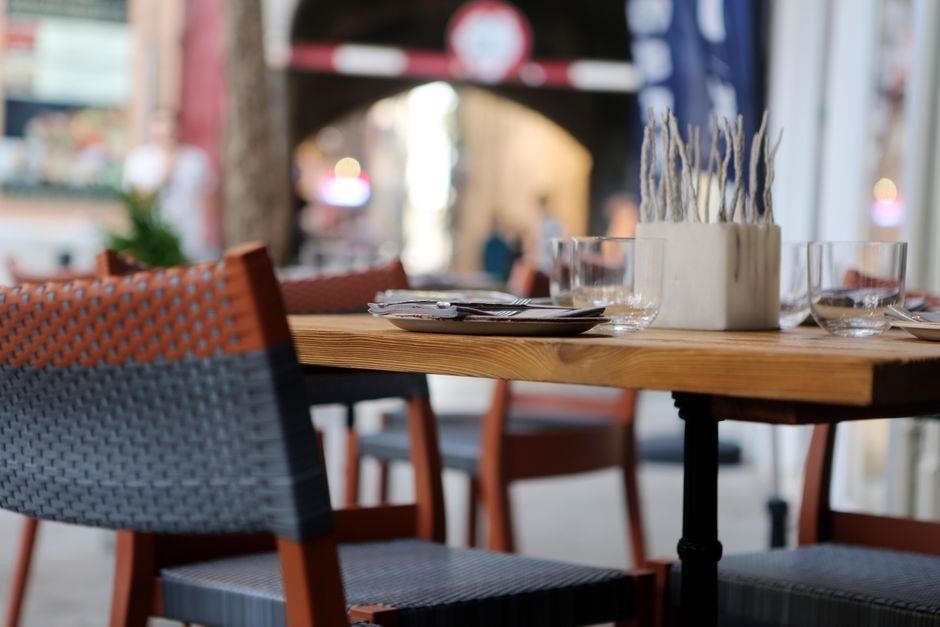
When in doubt, ask the server for a “healthy” or “low‑carb” recommendation. Many establishments are familiar with dietary restrictions and can suggest a dish that meets Optavia’s criteria. Keep your phone handy with the PDF so you can quickly reference the protein and carb limits. By planning ahead, you’ll enjoy a satisfying breakfast while staying on track with your weight‑loss goals. Hydrate with water or unsweetened tea to aid digestion and fullness daily.
Section 2: Lunch Options
Lunch is often the most challenging meal when dining out while following Optavia. The goal is to secure a protein‑rich entrée paired with non‑starchy vegetables, while avoiding hidden carbs and added fats. Start by selecting a menu item that lists a lean protein source—grilled chicken, turkey, fish, or a lean steak. Request the protein to be cooked without butter or creamy sauces. Ask for a side of steamed broccoli, green beans, or a mixed green salad dressed with a light vinaigrette. If the restaurant offers a “protein bowl,” confirm it contains at least 10 grams of protein and no added sugars or starches. Many establishments now provide nutrition facts online; use this data to compare options and stay within your daily limits. Keep an eye on the calorie count—most Optavia lunches should stay under 300 calories. When ordering, request a single portion of protein and a small side of vegetables. Avoid large servings of rice, pasta, or potatoes. If you’re offered a “large” side, politely decline or ask for a half portion. For drinks, choose water, unsweetened tea, or black coffee. If you need a little extra energy, a small protein shake or a cup of low‑fat milk can be a good choice, but keep it within the 200‑calorie range recommended by the PDF; By planning ahead and using the PDF guide to track your protein and carb intake, you can enjoy a satisfying lunch while staying on track with your weight‑loss goals. Remember to stay hydrated and keep your portions controlled to maintain progress daily.
When in doubt, ask the server for a “low‑carb” or “healthy” recommendation. Many restaurants are familiar with dietary restrictions and can suggest a dish that meets Optavia’s criteria. Use the PDF’s portion guidelines to double‑check that the entrée meets the 10‑gram protein requirement. If the menu lists a “salad” with grilled shrimp, request no croutons or sugary dressing. For a sandwich, opt for a lettuce wrap instead of bread, and fill it with grilled chicken and fresh veggies. If you encounter a menu item that is unclear, request the ingredient list and ask whether the dish contains any hidden carbs. By staying proactive and using the PDF to monitor your intake, you can confidently choose a lunch that supports your plan. Keep your phone handy with the PDF so you can quickly reference the protein and carb limits. This preparation will help you stay on track and enjoy your meal without compromising your goals.
Finally, remember that the Optavia PDF includes a quick reference chart for common restaurant items. Use it to identify which dishes are safe and which should be avoided. If a restaurant offers a “combo” meal, be cautious—combos often add extra carbs or calories. Stick to a single entrée and a side of vegetables. If you’re at a fast‑food chain, look for a “protein‑only” option like a grilled chicken sandwich without the bun, or a salad with grilled steak. Many chains now provide nutrition information on their websites; cross‑check before you order. By following these guidelines, you’ll maintain your protein target, keep carbs low, and enjoy a satisfying lunch that aligns with your Optavia plan. Enjoy mindful meals daily.!!
Section 3: Dinner Options
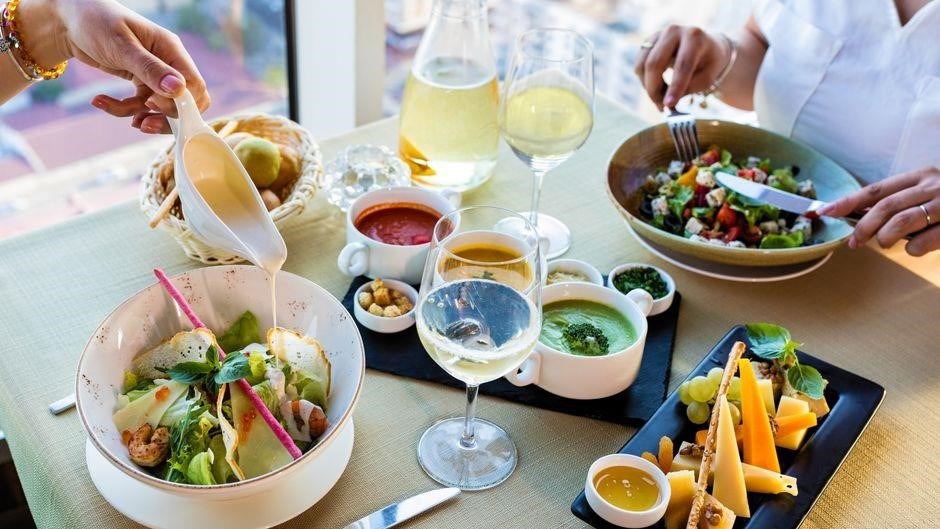
When you head to a restaurant for dinner, the temptation to indulge is high; The Optavia PDF offers a clear framework: choose a lean protein, pair it with non‑starchy vegetables, and keep the total calorie count below 300. Start by scanning the menu for grilled, baked, or broiled options—chicken breast, turkey, fish, or a lean steak. Ask the server to prepare the protein without butter or creamy sauces, and request a side of steamed broccoli, green beans, or a mixed green salad with a light vinaigrette. If the menu lists a “protein bowl,” confirm it contains at least 10 grams of protein and no added sugars or starches. Many restaurants now provide nutrition facts online; use this data to compare options and stay within your daily limits. Keep an eye on the calorie count—most Optavia dinners should stay under 300 calories. When ordering, request a single portion of protein and a small side of vegetables. Avoid large servings of rice, pasta, or potatoes. If you’re offered a “large” side, politely decline or ask for a half portion. For drinks, choose water, unsweetened tea, or black coffee. If you need a little extra energy, a small protein shake or a cup of low‑fat milk can be a good choice, but keep it within the 200‑calorie range recommended by the PDF. By planning ahead and using the PDF guide to track your protein and carb intake, you can enjoy a satisfying dinner while staying on track with your weight‑loss goals. Remember to stay hydrated and keep your portions controlled to maintain progress daily Stay focused
Section 4: Snacks and Beverages
When you’re out and need a quick bite, the Optavia PDF recommends sticking to protein‑rich snacks that keep you full without exceeding your daily calorie allotment. Look for items such as a hard‑boiled egg, a small handful of almonds, or a low‑fat Greek yogurt cup. If the restaurant offers a “protein bar,” verify it contains at least 10 grams of protein and no more than 200 calories. For savory options, choose a grilled chicken wrap with lettuce, tomato, and mustard, or a turkey sandwich on whole‑grain bread with a side of raw veggies. Avoid fried or breaded items, as they add unnecessary fats and carbs. When selecting beverages, water is always the best choice. Opt for sparkling water with a splash of lemon or lime for flavor, or a black coffee or unsweetened tea. If you prefer something sweet, a small glass of unsweetened iced tea or a sugar‑free soda can satisfy cravings without the extra sugar. Alcoholic drinks should be limited to a single 5‑ounce wine or a light beer, and only if you are comfortable staying within the 200‑calorie limit. The PDF also suggests using a small portion of fruit, such as a sliced apple or a handful of berries, as a natural sweetener. Remember to ask the server for a “small” portion or to split a larger item. Tracking these snacks and drinks in the PDF tracker helps you stay accountable and ensures you don’t exceed your daily macro targets. By making mindful choices, you can enjoy a satisfying snack or beverage while keeping your Optavia plan on track. Stay focused and keep your portions controlled to maintain progress daily!!…!
Section 5: Dining Out at Special Events
Special events can feel like a test of your Optavia discipline, but with the right mindset and planning you can enjoy the occasion without derailing your progress; First, arrive early and scan the menu or ask the host for a list of available dishes. Look for lean proteins such as grilled chicken, fish, or tofu, paired with non‑starchy vegetables. When the host offers a buffet, choose a small portion of protein and a generous serving of greens, then skip the high‑calorie sides like mashed potatoes or creamy sauces. If a dessert is on the table, opt for a fresh fruit plate or a small portion of dark chocolate—just remember to count it in your daily allowance. Hydration is key; bring a reusable water bottle and sip water throughout the event to stave off hunger. If alcohol is served, limit yourself to a single 5‑ounce glass of wine or a light beer, and avoid sugary cocktails. When in doubt, request a “small” or “light” version of any dish. The PDF guide also suggests using a “protein‑first” approach: fill your plate with protein, then add vegetables, and finally a small carbohydrate if needed. Keep a small snack bag handy—such as a single serving of nuts or a protein bar—to curb late‑night cravings. Finally, use the PDF tracker to log each choice immediately; this helps you stay accountable and adjust future meals. By staying prepared, making smart swaps, and tracking your intake, you can enjoy special events while staying true to your Optavia goals. Remember to review the PDF after each outing, noting what worked and what needs adjustment, refine your strategy Go
Section 6: Tracking Progress with the PDF
Keeping a detailed record of every meal, snack, and beverage you consume while dining out is essential to staying on track with your Optavia plan. The PDF guide provides a structured template that lets you log exact portion sizes, protein sources, and side dishes, so you can see how each choice fits into your daily macro targets. At the start of each day, open the PDF and fill in the “Meal” column with the name of the restaurant or event, then note the specific dish you ordered. In the “Protein” column, record the grams of lean protein you consumed—this could be grilled chicken, fish, or a plant‑based alternative. Next, enter the “Vegetables” column with the quantity of non‑starchy veggies, and in the “Carbs” column, log any grains or starchy sides, even if they are small. The PDF also includes a “Calories” field where you can quickly add up the total energy intake for that meal. By doing this in real time, you avoid the temptation to forget or misjudge portions. At the end of the day, review your entries to ensure you stayed within your allotted protein and calorie limits. If you notice a recurring pattern—such as consistently over‑serving at a particular type of restaurant—use the PDF’s “Adjustments” section to plan smarter choices for next time. By integrating the PDF into your daily routine, you’ll gain clarity, accountability, and confidence in managing your Optavia journey while still enjoying the social aspects of eating out. Use the PDF’s tracking features to celebrate victories, stay motivated, and adjust your plan as needed week and beyond today!
Troubleshooting Common Challenges
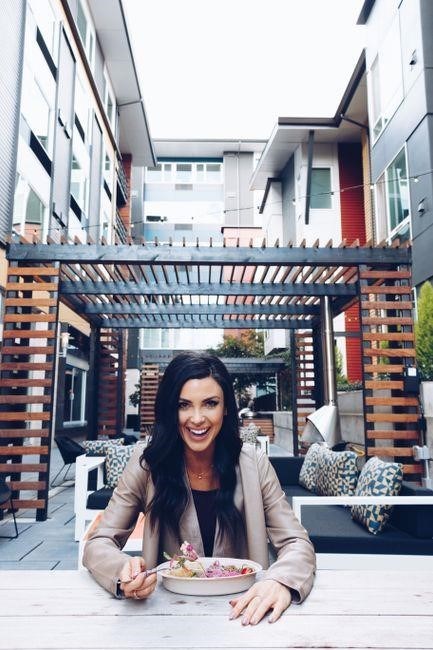
When dining out on Optavia, obstacles can arise—from hidden calories to social pressure. The PDF guide equips you with quick fixes: first, scan the menu for protein‑heavy options and ask for dressings on the side. If a dish is too large, request a half‑portion or share with a friend. Keep a small notebook or the PDF’s “Adjustments” section handy to note any deviations and plan a lighter follow‑up meal. For cravings, have a list of approved snacks ready—such as a handful of nuts or a protein shake—to satisfy hunger without breaking the plan. When faced with a lack of options, call ahead or use the PDF’s “Alternative Choices” table to identify nearby restaurants that offer compliant meals. Social gatherings can tempt you to overeat; set a personal limit before you arrive and practice mindful eating—chew slowly, savor flavors, and pause after each bite. If you accidentally exceed your protein target, compensate by reducing carbs or increasing protein in the next meal. The PDF’s “Recovery” section guides you on how to adjust macros for the next day. Finally, stay connected with the Optavia community for support; share challenges and solutions in the forum, and celebrate small wins. By anticipating these common hurdles and using the PDF’s built‑in strategies, you can maintain consistency and confidence while enjoying the dining experience.
Lorem ipsum dolor sit amet, consectetur adipiscing elit. Sed do eiusmod tempor incididunt ut labore et dolore magna aliqua. Ut enim ad minim veniam, quis nostrud exercitation ullamco laboris nisi ut aliquip ex ea commodo consequat.
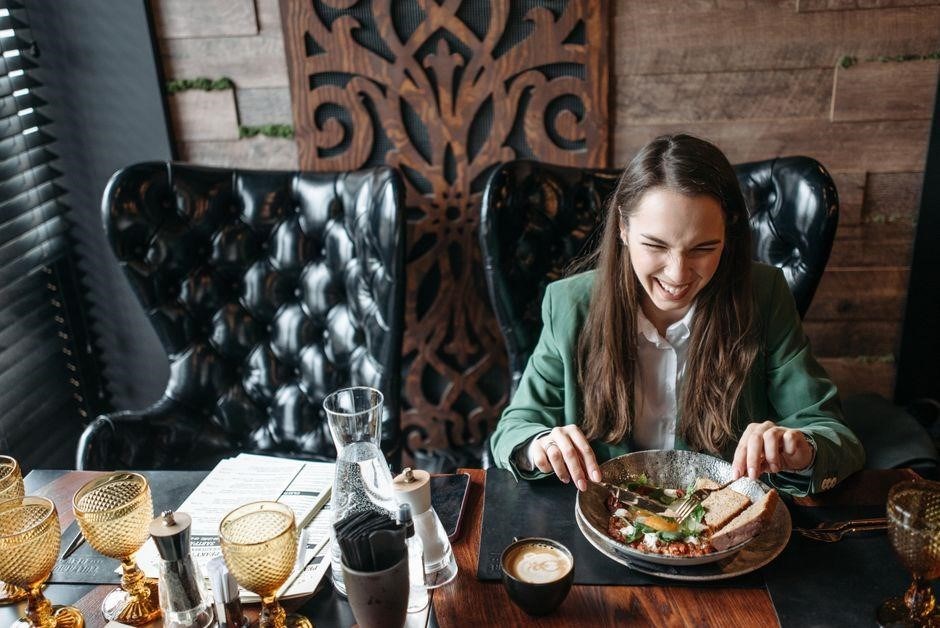
This section emphasizes the importance of consistency and adaptation, encouraging readers to reflect on progress and adjust strategies accordingly daily!
As you finish reviewing the Optavia dining out guide PDF, you are now equipped with actionable strategies to keep your meal plan on track while enjoying the social aspects of eating out. The key takeaways are to prioritize protein, control portions, and stay mindful of hidden calories. By using the PDF’s built‑in checklists and adjustment tables, you can quickly adapt to any menu surprise and still meet your macros. Remember to keep a small notebook or the PDF’s “Tracking” section next to your phone for instant reference. When you encounter a challenge, refer back to the troubleshooting tips and remember that a single slip does not derail your progress—simply adjust the following day’s meals. Consistency is built through small, daily habits, so keep the PDF handy, set reminders, and celebrate each successful choice. Finally, share your experiences with the Optavia community to stay motivated and learn new hacks from others who have navigated similar situations. By staying committed to the plan, staying flexible, and using the PDF as a constant companion, you can confidently enjoy dining out without compromising your health goals. The next step is to download the PDF, print a copy, and start applying the strategies today. Good luck, and enjoy the journey!
Remember, consistency is a marathon, not a sprint. Each meal choice builds momentum toward lasting health. Choose low‑calorie, high‑protein snacks when cravings hit. Celebrate small wins and share successes on the community forum. Your dedication turns dining out into an experience that aligns with your Optavia goals.!